







MeRT


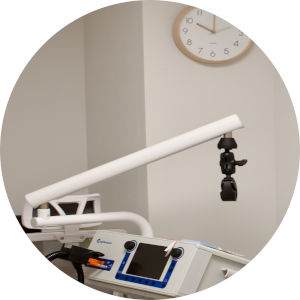
MeRT equipment in a treatment room with clock and framed pictures on the wall

Depression

Don't suffer alone

We are committed to brain health & healing.

플로리다 맥딜 공군기지 로고
블리처 리포트 로고
디펜스원 로고
더 닥터스 로고
nbc 스포츠 로고
글로벌 sof 로고
워싱턴 포스트 로고
월스트리트 저널 로고

MeRT for Depression

Patients with depression commonly show imbalance in left/right brainwave activity. MeRT precisely analyzes this imbalance with qEEG (quantitative EEG), then designs stimulation location and intensity individually, applied gently through FDA-cleared equipment.

Meaningful changes have been observed across treatment-resistant depression (TRD) and major depressive disorder (MDD), among other depression presentations. The treatment is non-invasive and painless.


Depression

Depression is a mental health condition marked by persistent deep sadness and reduced interest. It affects daily interest, energy, and concentration, and can be accompanied by physical symptoms such as changes in sleep and appetite.

Causes

The exact cause is not clearly defined and involves a complex interplay of biological, psychological, and social factors, including stress and overwork. It can occur at any age, and other mental-health conditions such as anxiety disorders or schizophrenia may increase the risk of depression.

Symptoms

Symptoms emerge gradually over days to weeks and differ between people. They may include persistent sadness, reduced interest and energy, lethargy, mood swings, changes in sleep or appetite, and impulsive behavior.

If you have consistently experienced the following symptoms over the past 2 weeks, you may want to consider screening for depression.

  1. Work no longer feels enjoyable or rewarding.
  2. Weight has decreased.
  3. I struggle with constipation.
  4. I sometimes have disturbed sleep at night.
  5. I tend to eat poorly (no appetite).
  6. I feel uncomfortable meeting someone attractive or sitting and talking.
  7. There is rarely a time of day when my mood is at its best.
  8. I sometimes suddenly cry or feel like crying for a while.
  9. I often feel my heart pounding.
  10. I often feel tired for no particular reason.
  11. My head always feels heavy and foggy.
  12. Tasks always feel burdensome and frightening.
  13. I feel tense or restless and find it hard to settle.
  14. I don't feel my future looks particularly bright.
  15. I seem more restless than I used to be.
  16. I feel I lack decisiveness.
  17. I feel I am unnecessary to society.
  18. It feels like only bad things happen in my life.
  19. I feel that others, especially my family, would be better off if I were gone.
  20. I have times of low motivation and feeling depressed or sad.

Treatment

Depression treatment centers on counseling, psychotherapy, and medication. Medication is one of the core treatments for depression and provides effective help for many patients.

MeRT is a complement to medication, not a replacement. Over a recommended 4–6 weeks, it non-invasively and painlessly addresses brainwave imbalance directly. It is an adjunctive treatment that can be expected to work synergistically alongside existing medication.

MeRT's personalized magnetic resonance technology — validated through extensive research in the United States — gently stimulates specific brain regions to help restore balance in brainwave activity.

Side profile of a woman seated, holding her legs and looking out the window

How we help

Depression

“Even surrounded by love and care, I would sometimes feel a deep loneliness — like an occasional dark shadow over my life. Through MeRT at BTC, I began to understand what was happening within me, and after a month I was able to live, for the first time, with neither the weight of depression nor the dependence I had feared. I am truly grateful.”

BTC Patient

A woman seated cross-legged on a mountain top watching the sunrise

Depression

I couldn’t believe I had spent so many years feeling that way.

“Depression made me want to give up on everything outside of being home. MeRT eased those feelings within two weeks. I could hardly believe I had spent so much of my life trapped in negative thinking.”

BTC Patient

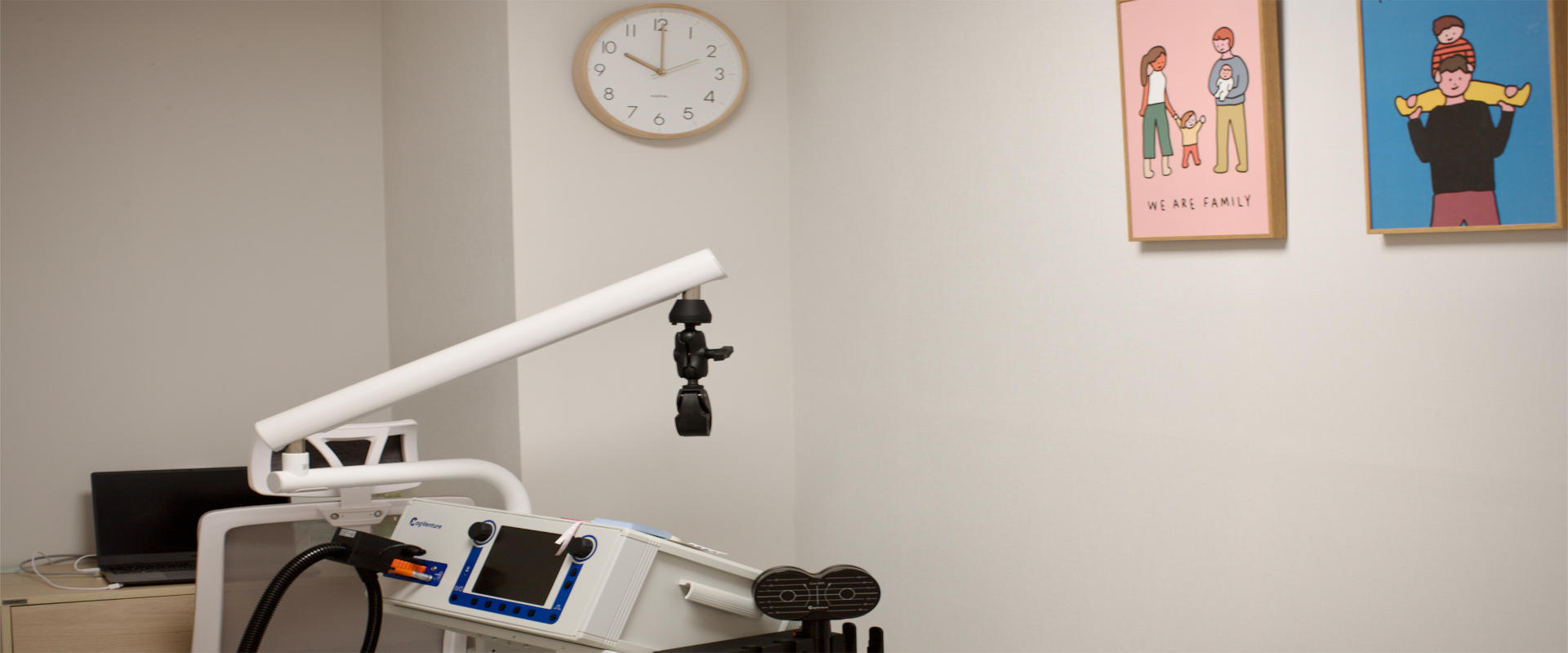
MeRT equipment in a treatment room with clock and framed pictures on the wall

Depression

Learn what’s in your mind, to understand what’s on your mind

EEG research shows that patients with depression display several specific markers. Typically, an imbalance in brainwave activity is observed between the left and right hemispheres.

The MeRT℠ Approach

No two people are the same, even with similar symptoms.

Understanding each patient's condition and tailoring treatment accordingly is essential. MeRT identifies imbalanced brainwave regions within each individual's brain and supports function through carefully personalized treatment.

About MeRT℠
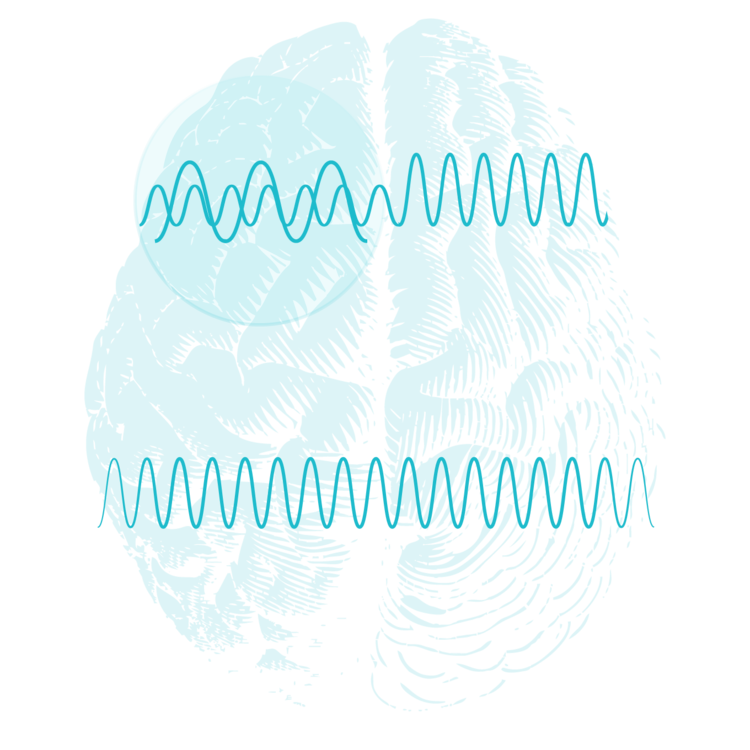
Top view of a brain with vertical wave lines drawn over it

Depression Brain Patterns

Brain wave oscillations used to evaluate major depression risk

EEG research has reported several markers in depression patients. Typically, between the left and right hemispheres, imbalances in brainwave activity emerge. In particular, alpha and theta activity differs between the left and right frontal hemispheres. These changes can be identified.

By identifying these altered brainwave patterns, the goal is to normalize activity by addressing the imbalance — with the aim of reducing the patient's depression symptoms.

Frequently Asked Questions

Is MeRT treatment safe?

MeRT is a non-invasive magnetic stimulation treatment using FDA-cleared equipment, with no anesthesia or drug injection. It is applied after medical evaluation; no significant adverse events have been reported.

Can MeRT be received while on antidepressants?

Yes. MeRT is designed to complement medication, not replace it. Existing antidepressants and anxiolytics can be continued.

Does MeRT apply to treatment-resistant depression (TRD) and major depressive disorder (MDD)?

Meaningful changes have been observed across TRD, MDD, and other depression presentations. Outcomes vary by individual condition and environment.

When do effects appear?

This varies by individual but changes are typically observed over a 4–6 week treatment course. Progress is monitored via repeat qEEG measurements.

How long is the treatment period?

Generally 4–6 weeks. The exact plan is determined by the medical team based on qEEG and individual condition.

Can daily life continue during treatment?

Yes. MeRT is non-invasive and painless. No anesthesia or recovery time is needed; patients return to daily life immediately after sessions.

MeRT is an individualized adjunctive treatment, applied only with medical staff evaluation and the informed consent of the patient or guardian. We do not guarantee a cure for any specific condition.